

Laptops aren’t designed to last forever. The average lifespan of a laptop is between three and five years, before the battery runs out of steam, the storage shows signs of weakness or the cooling system loses efficiency. However, with a few simple gestures and regular maintenance, it’s entirely possible to extend its useful life to seven years or more. Let’s take a look at the best practices for maintaining your PC and delaying obsolescence.
Protect your laptop battery and extend its life
The battery is often the first part of a laptop to show signs of weakness. Its lifespan depends directly on how it is used on a daily basis. To preserve it, we recommend keeping the charge level between 20% and 80%, rather than letting it oscillate between 0% and 100%.
Many manufacturers also offer load-limiting tools that allow you to set a maximum threshold (e.g. 80%), ideal when the PC is plugged into the mains for long periods.
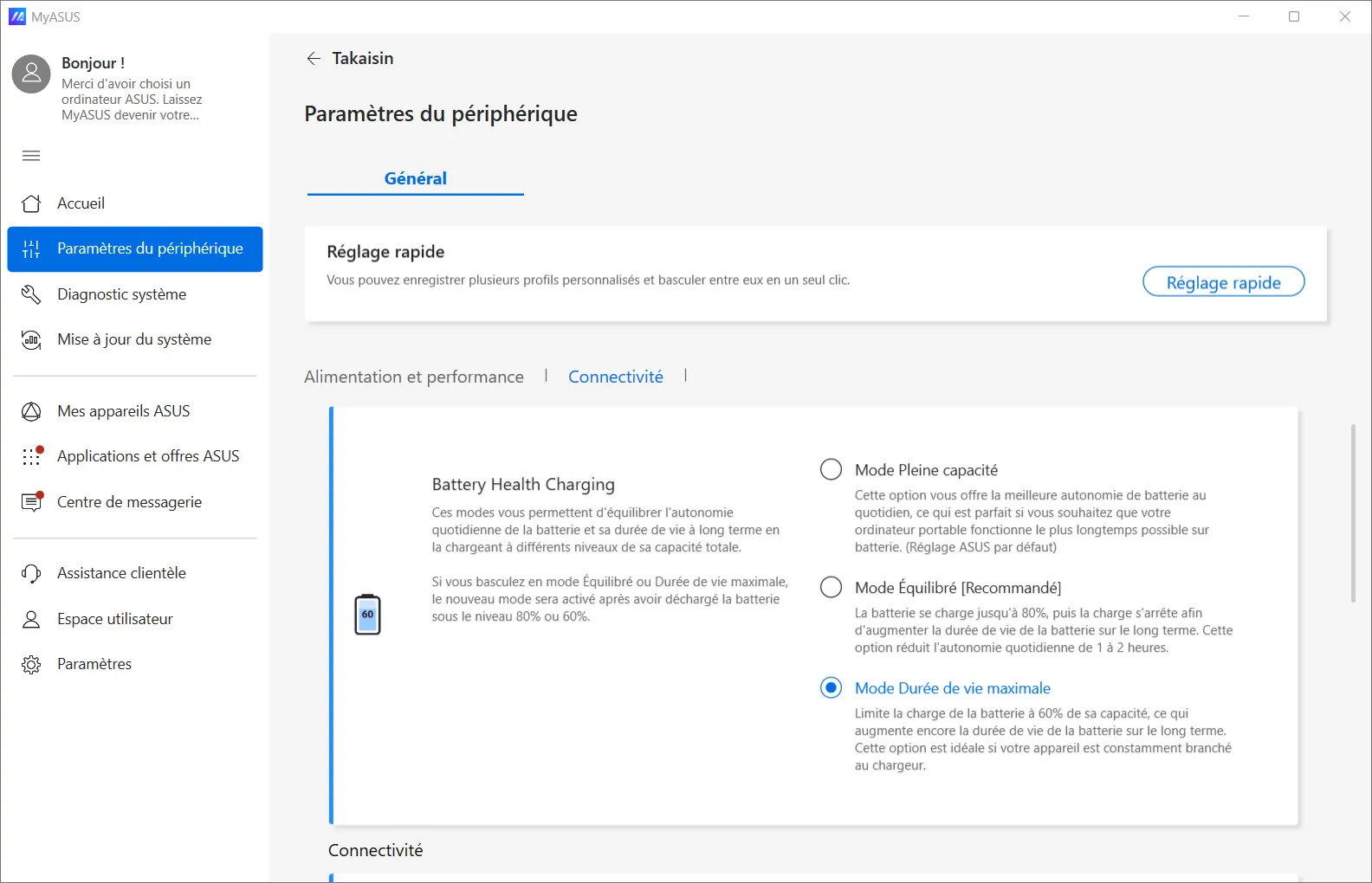
You should also avoid overheating (e.g. by placing the computer on a bed or exposing it to the sun) and deep discharges, which accelerate chemical wear. Finally, if you need to put your computer away for several weeks, store the battery at around 40-60% charge, in a cool, dry place, to limit premature aging.
| Situation | Best practice |
|---|---|
| Daily recharging | Maintain charge between 20% and 80 |
| PC plugged in often | Activate a charge limit (70-80%) |
| Temperature | Use on a hard, ventilated surface |
| Long-term storage | Charge to 40-60%, keep cool and dry |
| Recharging cycles | Recharge before 20%, avoid deep discharges |
Find out how to activate the load limiter on your PC.
Controlling temperatures: 5 steps to avoid overheating
Heat is the number 2 enemy of electronic components (just after water). A laptop too often exposed to high temperatures will see its performance drop and its lifespan drastically shortened. Here are five best practices to keep your machine cool and preserve its components.
1. Use your PC on a flat, hard surface
A laptop needs to breathe. Its fans draw in and expel air through grilles located on the underside or sides. Placed on a bed, sofa or cushion, the cooling system is suffocated, resulting in a rapid rise in temperature.
So always use your computer on a table, desk or other rigid, flat surface to let the air circulate freely, and if you want to continue using it in bed, put a rigid support underneath (a tray, thick book, etc.).
2. Regularly clean the interior and grilles to prevent dust build-up
Over time, dust accumulates in fans and air ducts. The computer heats up faster and makes more noise. To prevent this, cleaning every six months to 1 year is recommended. A laptop blower is the ideal tool: it removes impurities without dismantling the unit, unlike compressed-air bombs, which can project moisture. This maintenance boosts cooling efficiency and delays component wear.

Highlights :
Drawbacks :
On Amazon right now:
3. Replace thermal paste every 2 to 3 years
The thermal paste between the CPU and the heat sink transfers heat to the outside. However, it dries out and loses its properties over time. On a PC used intensively, it’s advisable to replace it every 2 to 3 years.

 assistouest.fr
This operation, carried out in a workshop or by an experienced user, can lower the processor temperature by several degrees, thus limiting the risk of throttling (forced slowdown to prevent overheating).
4. Monitor temperatures regularly
Most users have no idea what temperature their PC is running at. Yet simple monitoring can detect anomalies before they cause damage.
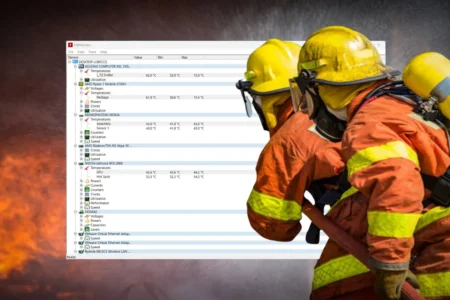
Free software is available to check that the processor and graphics card remain below 85-90°C under load. If these values are regularly exceeded, further cleaning or maintenance is required.
5. Invest in ventilated support if necessary
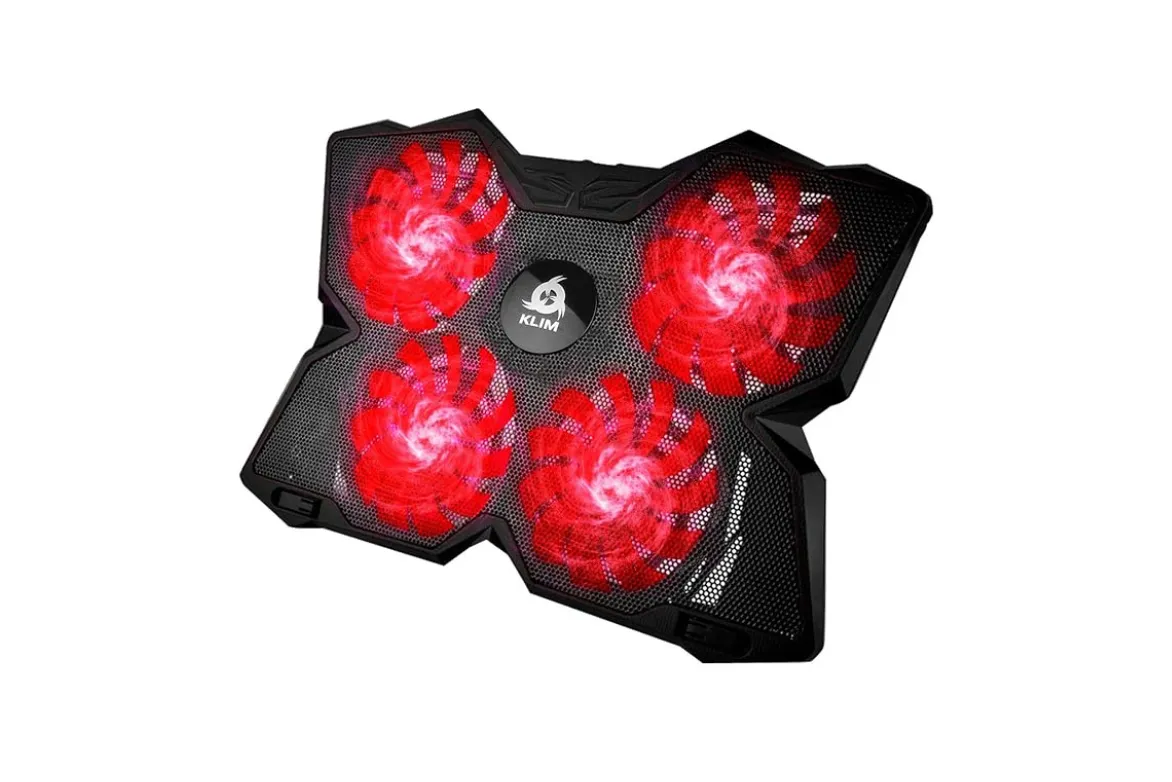
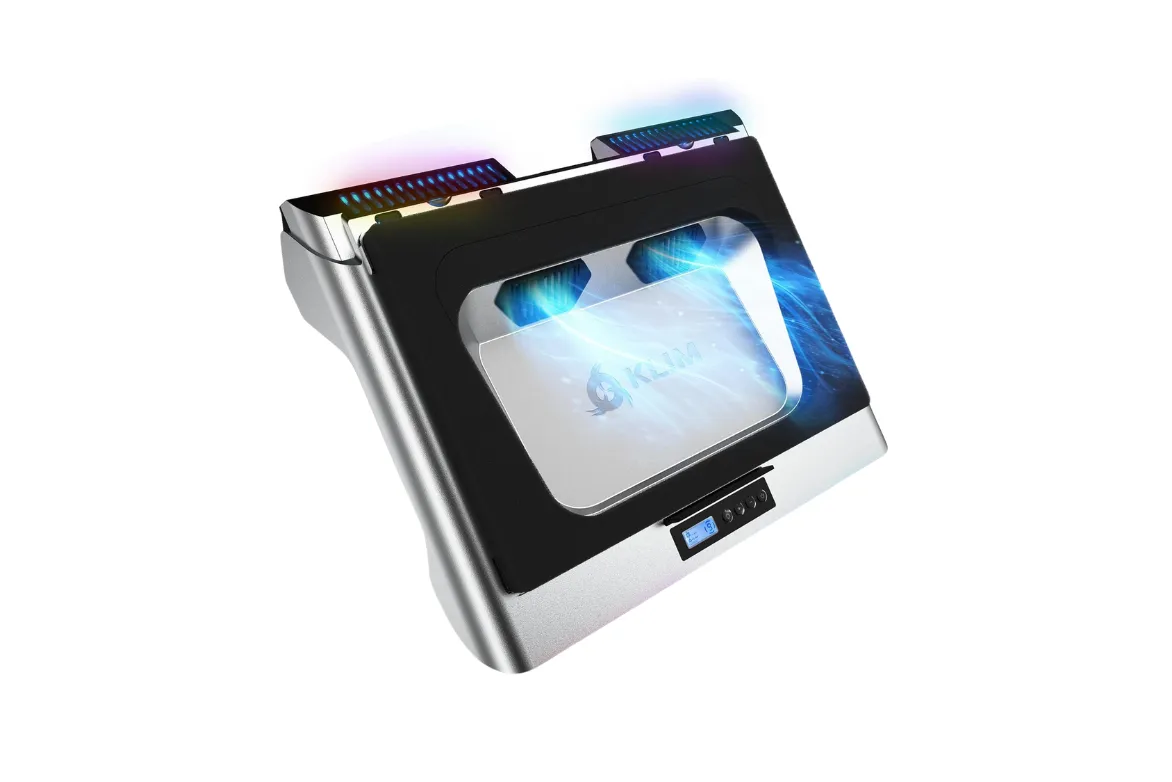
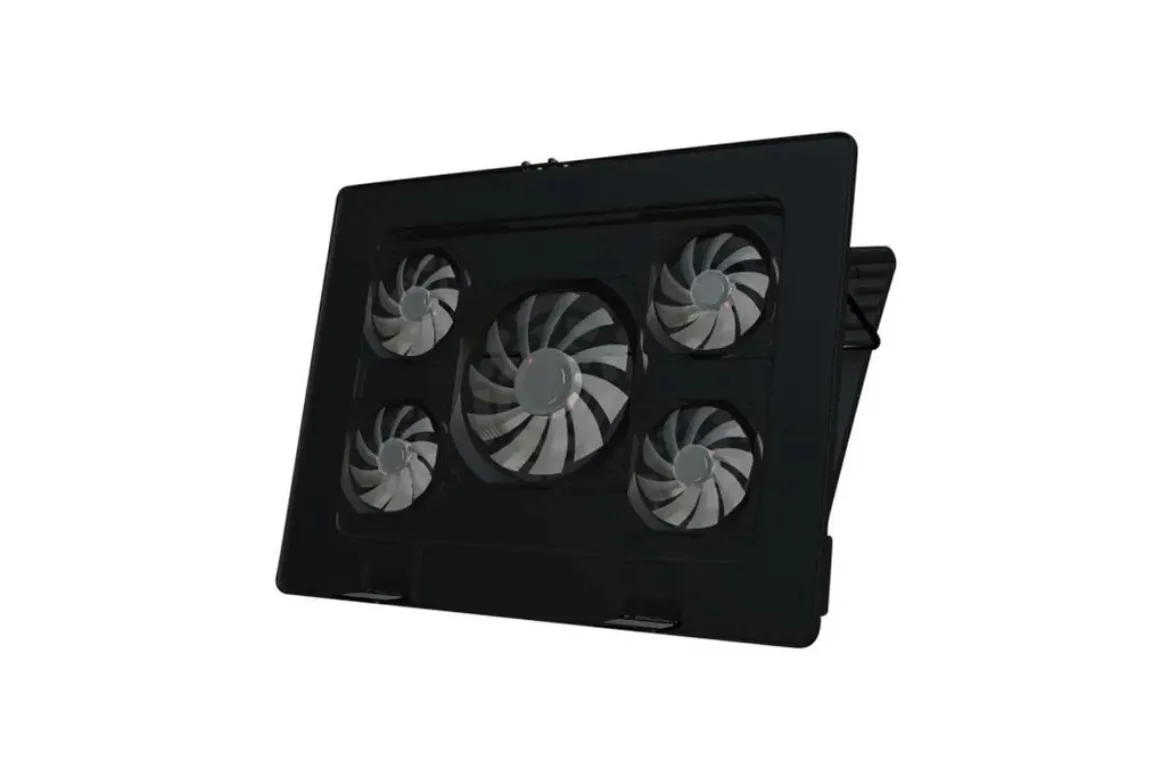
Thin, powerful laptops used for gaming, 3D or video editing tend to run hotter. In such cases, a ventilated stand can be an effective solution. This is an inexpensive accessory which, thanks to integrated fans, promotes air flow under the machine. The gain is several dozen degrees and is enough to relieve components and extend their life.
|
KLIM Wind
|
Highest performance
KLIM Everest
|
Mars Gaming MNBC2
|
|---|---|---|
 |
 |
 |
|
4 fans 11" to 17.3" 2 USB ports Adjustable feet |
2 turbofans 14" to 17.3" 1 USB port Adjustable tilt |
5 fans Up to 17.3" 2 USB ports 6 tilt levels |
| View on Amazon | View on Amazon | View on Amazon |
Optimize your laptop’s storage and system
A laptop can age prematurely, not only because of its hardware, but also because of a lack of software maintenance. A saturated or badly configured system rapidly loses speed, giving the impression of an obsolete machine, even though its components are still in good condition. To prolong its lifespan, two good practices are essential.
Keep free disk space at all times
Modern SSDs require a certain amount of leeway to manage data writing and erasing. As SSDs approach saturation, performance drops and wear accelerates. It is therefore advisable to keep 15 to 25% of free space on the main disk. This simple precaution maintains stable read and write speeds, while delaying memory cell wear.
Keep drivers and BIOS up to date
An up-to-date PC is a safer, more stable PC. Drivers are essential to ensure that every component (graphics, Wi-Fi, audio, chipset) works properly. Outdated versions can cause bugs, instabilities or excessive power consumption, while up-to-date drivers improve compatibility and performance.
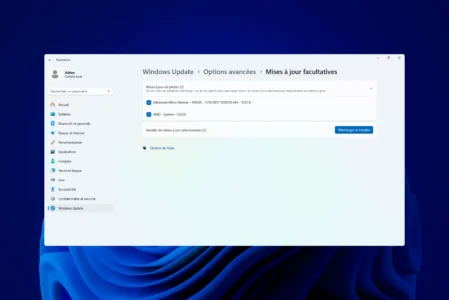
The BIOS (or UEFI) also plays a key role in power and temperature management. Its updates, proposed by the manufacturer, correct stability problems and extend hardware life.
Ease start-up and reduce unnecessary load
Over the course of several installations, a large number of programs are automatically added when Windows starts up. The computer takes several minutes to start up and consumes memory unnecessarily. Deactivating non-essential programs at Windows startup helps to improve responsiveness and reduce the overall load on the processor and SSD. A PC with less continuous use heats up less and ages better.